Asbestlint is a word that is finding its way into environmental safety circles and particularly among the homeowners, contractors and other professional individuals employed in occupational safety. Whereas most individuals may be conversant with asbestos, not many will know how asbestlint is formed, why it is hazardous and what measures are supposed to be put in place to handle it without difficulties.
It is the ideal guide where you get to know what asbestlint is, where it is usually located, the health hazard it presents, how to detect it and the safest methods of removing and avoiding exposure. The article has been well-optimized and organized to ensure an ideal comprehension of the risks and liabilities concerning asbestlint by the readers.
What Is Asbestlint
The Meaning of Asbestlint.
Asbestlint is a fine and dust-like form of asbestos that settles in the indoor environments. These fibres tend to be airborne when asbestos-containing material becomes deteriorated, when they are interrupted or when they are removed inappropriately. These fibers are microscopic and hence cannot be seen with naked eyes all the time.
Asbestlint is not solid as the sheets or tiles of asbestos and acts like soft dust. It has the ability to rest on furniture, clothing, air ducts, carpets, and ventilation systems. When it is disturbed it can readily re-enter the air and the chances of inhalation are augmented.
How Asbestlint Forms
Asbestlint is the resultant formation of asbestos-containing materials as they age, break or may be damaged in a mechanical way. Common causes include:
Renovation/demolition efforts.
Natural aging of insulation
Water damage
Boring, dusting or chopping of old materials.
When these materials are released, they dislodge into minute particles resembling lint or dust, this is why they are also referred to as asbestlint.
The common locations of Asbestlint.
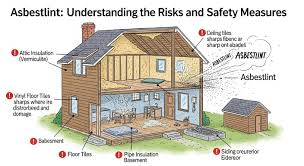
Residential Buildings
Pre modern homes that were constructed prior to the current rules on asbestos are more prone to risk. Countries with high consumption of asbestos such as the United States were prevalent in the past with no strict environmental restrictions.
You may find asbestlint in:
Attic insulation
Old ceiling tiles
Pipe insulation
Vinyl flooring
Textured wall coatings
When such materials are worn out, the fibers may accumulate all over the house.
Business and Manufacturing Areas.
There is also a possibility that factories, warehouses and older office buildings are made up of asbestos based materials. Asbestlint may be deposited in the ventilating systems and maintenance zones which are dangerous to the workers.
Health hazards caused by Asbestlint.
Inhalation Dangers
The most dangerous asbestlint is the one that is breathed in form of air. Asbestos fibers may also be lodged in the lungs permanently and stay there as long as years after being inhaled.
There are serious health conditions which have been associated with long-term exposure and they include:
Lung scarring
Read More: MyreadignmnagaThe Ultimate
Persistent breathing difficulties.
Cancer
Health Conditions associated with Asbestos exposure.
Diseases that may occur as a result of exposure to airborne fibers include:
Asbestosis
Lung cancer
Mesothelioma
The warning by health organizations like the World Health Organization is that there is no safe level of asbestos exposure. Even minute quantities of asbestlint in the long run may lead to health hazards.
How to Determine Asbestlint in Your Property.
Visual Indicators
Asbestlint can also be in form of dust which is fine and grayish or white around the old insulations or damaged stuff. Visual inspection is however not sufficient.
Asbestos fibers are so tiny and this makes them hard to identify without laboratory tests.
Professional Testing
Asbestos inspectors, who are certified, take samples, and forward them to certified laboratories. Testing makes sure that hazardous material is identified properly and unjustified disturbance is averted.
In case you suspect asbestlint, do not sweep or vacuum the area using ordinary vacuum because this can increase the dispersal of asbestos.
Removal and Disposal of Asbestin (safe).
The need to remove the professional.
Still, when dealing with asbestlint without the equipment, one risks spreading a greater number of fibers into the air. Professional abatement teams are using:
Protective suits
Respirators
Sealed containment areas
HEPA filtration systems
There are stringent laws in most nations, which obligate licensed personnel to regulate the removal of asbestos.
Appropriate Containment Measures.
The removal specialists seal off the areas that have been affected with the help of negative air pressure systems and plastic barriers. They wet substances to minimize dust and install special vacuum cleaners aimed at cleaning up asbestos.
Incorrect disposal of the same may pollute landfills and be harmful to the environment. Hence, the waste of asbestos should be sealed and delivered in consideration of the local requirements.
Preventing Asbestlint Exposure.
Regular Inspections
In case property was constructed prior to the contemporary prohibition of asbestos, arrange frequent inspections. The possibility of release of fiber is minimized with early recognition of damaged materials.
Do not tamper with Materials of Suspect.
Do not drill, sand or cut asbestos-containing materials. In case of renovation then asbestos testing should be done prior to the commencement of work.
Improve Indoor Air Quality
Although the air purifiers with HEPA filters might assist in reducing the number of airborne particles, they do not replace the effective removal. The most secure method is prevention.
Environmental and Legal responsibilities.
Regulations and Compliance
Strict regulation on asbestos handling takes place in most areas. To illustrate, such agencies as the Environmental Protection Agency impose the rules concerning the handling of asbestos in the buildings.
Those who own property can be subjected to legal sanctions when they take out or dispose of asbestos materials in an unsatisfactory manner.
Workplace Safety Standards
The employer has a duty of providing safety to the workers in cases where there is a risk of asbestos exposure. Protective equipment, training and adherence to occupational safety standards is required in controlled industries.
Facts and Myths of Asbestin.
Only Dangerous in Great Proportions.
This is false. Even the slight exposure that can be experienced with time, can expose health to an elevated risk.
And when You Cannot See It, It is Not There.
Asbestlint fibres are microscopic. The fact that dust is not visible does not imply the safety of the environment.
DIY Removal Saves Money
Poor removal may result in contamination, increased costs of cleanup and severe health effects. Professional services need not appear very costly but would be more secure in the long run.
Actions to follow in case of suspicion of Asbestlint.
Immediate Actions
Do not disturb the area
Avoid dry sweeping
Limit access
Get in touch with a qualified inspector.
Fast and cautious steps will ensure that fibers are not spread.
Long-Term Planning
In case asbestos is identified, develop a management or removal strategy with accredited experts. Compliance is guaranteed through proper documentation and property value is safeguarded.
Conclusion
Asbestlint is a serious environmental health issue that cannot be overlooked. Due to the long duration and microscopic size of asbestos fibers, one can be exposed and not even show any signs upon exposure. The ability of asbestlint to develop, its location, and its health hazards is crucial to the homeowner and the business proprietors. When the asbestos materials are suspected, professional testing and licensed removal are the most safe methods. Preventive inspection, regulations and decision making can play a large part in minimizing long term threats. Through responsible action and non-disturbance of hazardous materials where not necessary, one will be able to safeguard his or her health, his or her property, and the immediate environment against unnecessary risks of contamination.