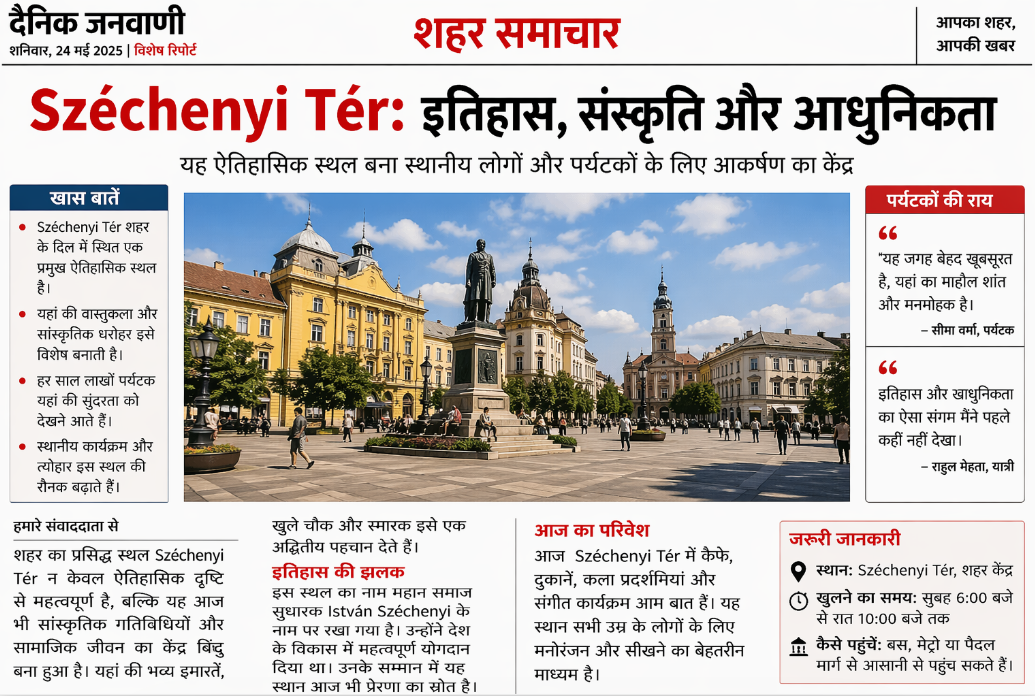
Introduction to Széchenyi Tér
Széchenyi tér stands as one of the most iconic and culturally rich public squares in Central Europe. Known for its architectural beauty, historical depth, and vibrant social life, this square attracts both locals and tourists who seek a blend of heritage and modern energy. Whether you are a traveler, historian, or content creator, understanding the value of széchenyi tér can provide insight into the region’s identity and evolution.
This article explores everything about széchenyi tér, from its origins to its modern significance, while maintaining a clear and engaging tone suitable for readers of all levels.
Historical Background of Széchenyi Tér
Origins and Early Development
The history of széchenyi tér dates back several centuries, when it first emerged as a central meeting place for trade and governance. Originally designed as a marketplace, it gradually evolved into a civic hub that reflected the political and social changes of the region.
Influence of Count Széchenyi
The square is named after István Széchenyi, a prominent reformer and statesman. His contributions to modernization influenced not only infrastructure but also the cultural landscape. Naming the square after him symbolizes progress, unity, and national pride.
Architectural Evolution Over Time
Over the years, széchenyi tér has undergone multiple transformations. Buildings around the square showcase a mix of architectural styles, including Baroque, Neoclassical, and Renaissance influences. These styles reflect the changing tastes and priorities of different eras.
Architectural Highlights of Széchenyi Tér
Historic Buildings and Landmarks
One of the most striking features of széchenyi tér is its collection of historic buildings. Each structure tells a story and contributes to the square’s unique atmosphere. From grand municipal buildings to charming cafes, the square offers visual diversity.
Statues and Monuments
The square is home to several statues and monuments that commemorate historical figures and events. These artistic elements not only enhance the beauty of széchenyi tér but also serve as educational points for visitors.
Urban Design and Layout
The layout of széchenyi tér is carefully designed to balance functionality and aesthetics. Open spaces allow for gatherings and events, while pathways guide visitors through different sections of the square.
Cultural Significance of Széchenyi Tér
A Hub for Social Interaction
Széchenyi tér is more than just a physical space; it is a social hub where people come together. From casual strolls to organized events, the square plays a vital role in community life.
Festivals and Events
Throughout the year, széchenyi tér hosts various festivals, markets, and cultural programs. These events celebrate local traditions, music, and cuisine, making the square a lively destination.
Artistic Expression
Street performers, artists, and musicians often gather at széchenyi tér, turning it into an open-air gallery. This creative environment adds to the charm and appeal of the location.
Modern-Day Importance of Széchenyi Tér
Tourism and Attraction
Today, széchenyi tér is a major tourist attraction. Visitors are drawn to its historical significance and vibrant atmosphere. It serves as a starting point for exploring nearby attractions.
Economic Impact
The square supports local businesses, including cafes, restaurants, and shops. This economic activity contributes to the overall development of the area.
Urban Lifestyle and Connectivity
With easy access to public transportation and nearby amenities, széchenyi tér remains a convenient and attractive destination for both residents and visitors.
Best Things to Do at Széchenyi Tér
Explore Historical Sites
Take time to walk around and admire the historical buildings and monuments. Each corner of széchenyi tér offers something unique.
Enjoy Local Cuisine
Nearby restaurants and cafes provide a taste of traditional and modern dishes. Dining at széchenyi tér is an experience in itself.
Attend Cultural Events
Check local schedules for festivals and performances. Participating in these events allows you to fully experience the energy of széchenyi tér.
Photography Opportunities
The square’s architecture and lively atmosphere make it a perfect spot for photography. Capture moments that reflect its timeless beauty.
Travel Tips for Visiting Széchenyi Tér
Best Time to Visit
Spring and early autumn are ideal times to visit széchenyi tér, as the weather is pleasant and the square is full of activity.
Getting Around
Public transport options make it easy to reach széchenyi tér. Walking is also a great way to explore the surrounding areas.
Local Etiquette
Respect local customs and maintain cleanliness while visiting. This helps preserve the beauty of széchenyi tér for future generations.
Why Széchenyi Tér Stands Out
Széchenyi tér is not just another public square; it is a symbol of history, culture, and community. Its ability to blend the past with the present makes it a unique destination. Whether you are exploring its architecture or enjoying its lively atmosphere, széchenyi tér offers an unforgettable experience
Conclusion
Széchenyi tér remains a powerful symbol of heritage, culture, and community life. Its historical roots, combined with modern vibrancy, create a space that appeals to people from all walks of life. Whether you are visiting for the first time or returning to relive memories, the square offers something meaningful every time. From architecture to cultural events, every detail reflects its importance. Exploring széchenyi tér is not just a journey through a location but an experience of history, identity, and timeless charm that continues to inspire visitors.