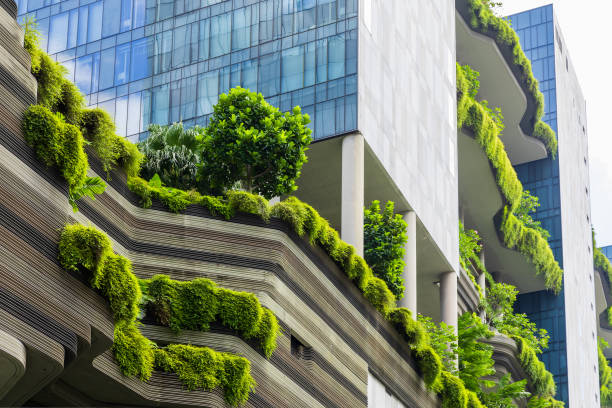
The construction industry is at a turning point. With buildings and construction responsible for roughly one third of global greenhouse gas emissions, the pressure to change how we build has never been greater. In 2026, sustainable construction materials are no longer a niche choice for eco-conscious projects. They are becoming mainstream solutions that address cost, performance, and environmental responsibility at the same time.
This article explores seven sustainable construction materials that are reshaping the industry. Each one offers practical benefits for builders, developers, and property owners who want to reduce environmental impact without sacrificing quality or durability.
Why Sustainable Construction Materials Matter in 2026
The conversation around sustainable construction materials has shifted significantly. A few years ago, green building was often seen as expensive and complicated. Today, advances in manufacturing, new regulations, and rising demand have made sustainable options more accessible and cost-competitive.
Several forces are driving this change. Governments are introducing stricter emissions targets for new buildings. Clients and investors are asking harder questions about environmental performance. Supply chain disruptions have exposed the risks of relying on traditional materials with fragile supply lines. And technology has opened the door to innovative materials that perform better while producing less waste.
For construction professionals, understanding sustainable construction materials is no longer optional. It is a core part of staying competitive in a market that increasingly rewards efficiency, transparency, and environmental responsibility.
1. Mass Timber and Engineered Wood
Mass timber has moved from experimental projects to mainstream construction. Engineered wood products like cross-laminated timber and glued laminated timber offer strength comparable to steel and concrete while storing carbon instead of emitting it.
The advantages go beyond environmental benefits. Mass timber buildings can be constructed faster because components are prefabricated off-site. This reduces labor costs, shortens project timelines, and minimizes disruption on site. Lighter structural weight also means smaller foundations, which lowers concrete use and overall material costs.
In 2026, mass timber is being used in mid-rise and high-rise projects across Europe, North America, and parts of Asia. Building codes have adapted to allow taller timber structures, and insurance providers are becoming more comfortable with the material. For developers, mass timber represents a genuine alternative to traditional structural systems.
2. Low-Carbon Concrete
Concrete is the most widely used construction material in the world, and it is also one of the biggest sources of embodied carbon. Traditional Portland cement production accounts for a significant share of global emissions. Low-carbon concrete aims to change that.
Innovations in this space include supplementary cementitious materials such as fly ash, slag, and calcined clay. These materials replace a portion of traditional cement, reducing emissions without compromising strength or durability. Some producers are also exploring carbon capture and mineralization, where captured carbon is injected into concrete during production.
For construction teams, low-carbon concrete is often compatible with existing processes. It can be specified in much the same way as conventional concrete, which makes adoption easier. As more suppliers bring these products to market, prices are becoming more competitive, and availability is improving across regions.
3. Recycled Steel
Steel is infinitely recyclable without losing its properties. Recycled steel, produced in electric arc furnaces, requires significantly less energy than steel made from raw iron ore. This makes it one of the most impactful sustainable construction materials available today.
The construction industry already uses large amounts of recycled steel, particularly in structural frames, reinforcement, and cladding. In 2026, the focus is on increasing recycled content and improving transparency around sourcing. Certification systems now allow builders to verify the environmental credentials of steel products, which helps meet green building requirements.
Recycled steel offers the same strength and reliability as virgin steel. The main challenge is ensuring consistent supply as demand grows. Even so, it remains one of the most practical and proven sustainable construction materials on the market.
4. Hempcrete
Hempcrete is a bio-composite made from hemp hurd, lime, and water. It is lightweight, breathable, and offers excellent insulation properties. Unlike traditional concrete, hempcrete does not require firing at high temperatures, which dramatically reduces its carbon footprint.
One of the most compelling features of hempcrete is its ability to absorb carbon dioxide as it cures. The hemp plant itself captures carbon during growth, and the lime binder continues to absorb carbon over time. This makes hempcrete a carbon-negative material in many applications.
Hempcrete is typically used for walls, floors, and insulation. It is not a structural material on its own, so it is combined with a timber or steel frame. While adoption varies by region due to hemp cultivation regulations, interest in hempcrete is growing rapidly as builders look for natural, low-carbon alternatives.
5. Recycled Plastic Composites
Plastic waste is one of the world’s most pressing environmental problems. Recycled plastic composites offer a way to turn that waste into useful construction materials. These composites are made by melting and reforming post-consumer and post-industrial plastic into products such as decking, fencing, roofing tiles, and cladding.
Recycled plastic composites are durable, resistant to rot and insects, and require very little maintenance. They are also lightweight, which makes installation faster and reduces transportation emissions. Unlike traditional wood products, they do not need chemical treatments to withstand weather and pests.
For construction projects aiming to meet sustainability targets, recycled plastic composites provide a practical solution. They divert waste from landfills and reduce demand for virgin materials. As recycling infrastructure improves, the quality and range of these products continue to expand.
6. Bamboo
Bamboo is one of the fastest-growing plants on earth. Some species can grow several feet in a single day, which makes bamboo a highly renewable resource. It can be harvested in just a few years, compared to decades for traditional timber.
In construction, bamboo is used for scaffolding, flooring, roofing, walls, and even structural elements. Engineered bamboo products, such as laminated bamboo lumber, offer strength and consistency comparable to hardwood. Bamboo also absorbs large amounts of carbon dioxide during growth, making it a valuable tool in the fight against climate change.
The main challenges with bamboo are durability and treatment. Untreated bamboo is vulnerable to insects and moisture, so proper processing is essential. When sourced and treated correctly, bamboo is a durable, low-carbon material that works well in a wide range of building applications.
7. Mycelium and Bio-Based Insulation
Mycelium, the root network of fungi, is emerging as a surprising but promising construction material. Combined with agricultural waste, mycelium can be grown into blocks, panels, and insulation products. The resulting material is lightweight, fire-resistant, and biodegradable.
Bio-based insulation materials, including those made from hemp, straw, wool, and cellulose, are also gaining traction. These materials offer excellent thermal performance and have significantly lower embodied carbon than conventional insulation products like foam boards.
The appeal of mycelium and bio-based insulation goes beyond environmental benefits. They can be produced locally, which reduces transportation emissions and supports regional supply chains. They also contribute to healthier indoor environments because they avoid many of the chemicals found in synthetic insulation.
How to Choose the Right Sustainable Construction Materials
With so many options available, selecting the right sustainable construction materials requires careful planning. Start by understanding the specific needs of your project, including structural requirements, climate conditions, budget, and local building codes.
Consider the full lifecycle of each material, not just its initial carbon footprint. Transportation, installation, maintenance, and end-of-life disposal all contribute to environmental impact. Local sourcing can significantly reduce emissions, even for materials that are not inherently low-carbon.
Certifications and environmental product declarations can help you compare materials objectively. These documents provide verified data on a product’s environmental performance, which makes it easier to meet green building standards and communicate sustainability claims to clients.
Finally, think about performance and durability. The most sustainable material is one that lasts. Choosing products that require less maintenance and replacement over time reduces both cost and environmental impact.
The Future of Sustainable Construction Materials
The materials highlighted here represent just the beginning. Research and development in bio-based materials, carbon capture, and circular design are accelerating. In the coming years, we can expect to see even more innovative products that combine high performance with low environmental impact.
What is clear in 2026 is that sustainable construction materials are no longer a trend. They are a fundamental part of how the industry builds. Companies that embrace these materials early will be better positioned to meet regulations, win clients, and reduce long-term costs.
For construction professionals, the opportunity is significant. By choosing sustainable construction materials, you can build structures that are stronger, healthier, and more resilient, while contributing to a more sustainable future for the industry as a whole.
Final Thoughts
The shift toward sustainable construction materials is reshaping how we build in 2026. From mass timber and low-carbon concrete to hempcrete and mycelium, the options available today are practical, proven, and increasingly affordable.
The key is to approach each project with an open mind and a willingness to explore alternatives. By understanding the benefits and limitations of each material, you can make informed decisions that balance performance, cost, and environmental responsibility. The future of construction is sustainable, and it is being built right now.