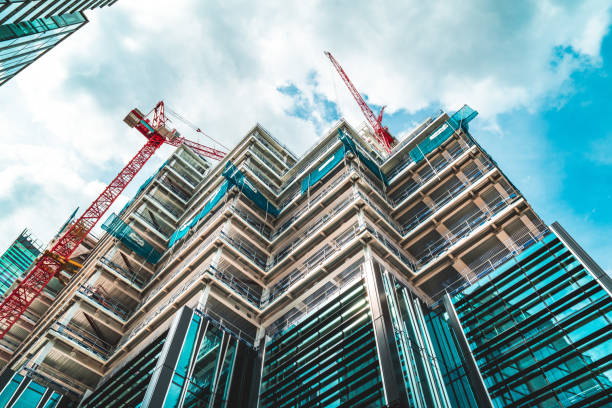
The construction industry plays a major role in the economic and social development of a country. Strong infrastructure supports businesses, improves public services, and creates better living environments for communities. Organizations involved in large scale construction projects contribute significantly to urban growth by developing residential buildings, commercial complexes, government facilities, and modern infrastructure systems.
The national building construction corporation represents an important model of organized construction management that focuses on quality development, efficient project execution, and sustainable growth. Through professional expertise and advanced construction practices, such organizations help transform cities and improve the overall standard of infrastructure.
Modern urban development requires careful planning, advanced technology, skilled workers, and effective coordination between different departments. Construction corporations must manage complex projects while maintaining safety standards, controlling costs, and completing work within scheduled timelines.
Understanding the Role of National Building Construction Corporation
The national building construction corporation plays an important role in delivering high quality construction solutions for public and private sector projects. Its activities usually include building residential structures, commercial facilities, educational institutions, healthcare centers, and other important infrastructure.
The main objective of such organizations is to provide reliable construction services that support economic development and community improvement. They combine engineering knowledge, project management skills, and modern construction techniques to complete challenging projects successfully.
Large construction corporations also contribute to employment generation by creating opportunities for engineers, architects, technicians, and skilled workers. Their projects help develop local economies and improve the availability of essential facilities.
Contribution to Urban Development
Urban areas are constantly expanding due to population growth and economic activities. This growth creates a need for better housing, transportation systems, public buildings, and commercial spaces.
Construction organizations help cities manage expansion by developing planned infrastructure. They focus on creating functional spaces that support modern lifestyles while considering environmental and social requirements.
Urban development is not only about constructing buildings. It also involves creating connected communities with proper roads, utilities, public services, and sustainable designs. Professional construction corporations help achieve these goals through organized planning and implementation.
Importance of Modern Construction Management
Successful construction projects require effective management from the initial planning stage to final completion. Construction managers must coordinate materials, labor, equipment, budgets, and schedules.
Advanced management techniques help reduce delays and improve project efficiency. Digital tools, project tracking systems, and building information modeling allow teams to monitor progress and solve problems quickly.
The adoption of parallel construction methods has also improved project delivery. In this approach, different construction activities are performed at the same time, allowing large projects to move forward more efficiently.
Key Areas of Construction Development
| Area | Description | Impact |
| Residential Development | Construction of homes and housing projects | Improves living standards |
| Commercial Projects | Development of offices and business centers | Supports economic growth |
| Public Infrastructure | Building schools hospitals and government facilities | Improves community services |
| Industrial Construction | Creation of factories and production facilities | Increases employment opportunities |
| Urban Planning | Development of organized city spaces | Creates sustainable communities |
These areas show how construction organizations contribute to different aspects of national development. Each project has a direct impact on improving public facilities and supporting economic progress.
Role of Technology in Construction Growth
Technology has changed the way construction projects are designed and managed. Modern organizations use advanced software and equipment to improve accuracy and efficiency.
Building information modeling allows architects and engineers to create detailed digital designs before actual construction begins. This helps identify possible challenges and reduces errors during project execution.
Automation, modern machinery, and digital communication systems have improved productivity. Construction teams can now complete complex projects faster while maintaining better quality control.
The integration of technology also supports sustainable construction by reducing material waste and improving energy efficiency.
Sustainable Construction and Environmental Responsibility
Modern construction companies are focusing more on environmentally responsible development. Sustainable construction practices help reduce negative environmental effects while creating efficient buildings.
Green building designs use energy saving systems, renewable materials, and improved resource management. These practices support long term urban development and protect natural resources.
Construction corporations have an important responsibility to balance development needs with environmental protection. Sustainable approaches ensure that future generations can benefit from improved infrastructure without harming the environment.
Challenges in the Construction Industry
Although construction organizations contribute greatly to development, they face several challenges. Rising material costs, changing regulations, labor shortages, and project delays can affect performance.
Managing large projects requires strong leadership and careful planning. Unexpected issues such as weather conditions, supply chain problems, or design changes can create difficulties.
Another challenge is maintaining safety standards. Construction sites involve many risks, so companies must provide proper training, equipment, and safety procedures to protect workers.
Effective risk management and continuous improvement are necessary to overcome these challenges.
Benefits of Professional Construction Organizations
Professional construction corporations provide many advantages for national development. They bring technical knowledge, experienced teams, and organized project management systems.
Their ability to handle large scale projects helps governments and businesses complete important developments efficiently. They also introduce modern construction standards that improve the quality of buildings and infrastructure.
Through innovation and expertise, these organizations contribute to stronger cities and improved economic opportunities.
Future of Construction and Urban Transformation
The future of construction national building construction corporation will focus on smart cities, sustainable buildings, and advanced technologies. Growing urban populations will increase the demand for efficient housing and infrastructure solutions.
Construction organizations will continue adopting digital systems, automation, and environmentally friendly practices. These developments will help create safer, smarter, and more sustainable urban environments.
The use of parallel construction techniques will continue to support faster project completion by allowing multiple activities to progress together. This approach will become increasingly valuable as cities require rapid infrastructure development.
Conclusion
The national building construction corporation represents the importance of organized construction management in modern development. Through quality infrastructure projects, advanced technology, and professional expertise, such organizations help transform urban areas and improve communities.
Their contribution extends beyond building structures. They support economic growth, create employment opportunities, and develop facilities that improve everyday life.
As urban challenges continue to increase, construction organizations will play an essential role in creating sustainable and efficient cities. With better planning, innovation, and responsible development practices, they can continue shaping the future of infrastructure and urban growth.